
Brought to you by Pet Poison Helpline & AKC Reunite
As you deck the halls and prepare a holiday Christmas or Hanukkah holiday feast, be sure your pet is kept away from the foods you serve because many seasonal foods can be toxic! And familiarize yourself with which winter holiday decorations can be harmful for your pets — some may even surprise you!

GINGERBREAD COOKIES
Gingerbread cookies and houses are fun to decorate, but also dangerous for pets! Nutmeg, cloves, allspice, and cinnamon are common spices used to make these seasonal treats, and they can be toxic to pets.
YEAST DOUGH
Making homemade bread and rolls? Keep yeast dough away from pets! The fermenting yeast and rising dough can cause stomach bloating and alcohol poisoning.
CHOCOLATE, COCOA, & XYLITOL
Desserts made with chocolate or cocoa are a no go for pets! While all chocolate is potentially harmful, the darker the chocolate or the amount consumed can lead to vomiting, diarrhea, agitation, tremors, increased heart rate along with potential seizures.
If “sugar-free” desserts are made with the artificial sweetener called Xylitol (aka Birch Sugar), pets can become extremely sick and can experience a rapid drop in blood sugar in dogs along with liver damage. Xylitol is extremely poisonous to pets and can be fatal if ingested.

GRAPES, RAISINS, AND CURRANTS
Holiday cookies, fruit cakes, and breads prepared with grapes, raisins, and currants can be dangerous even if ingested in small amounts!
ONIONS, GARLIC, LEEKS, AND CHIVES
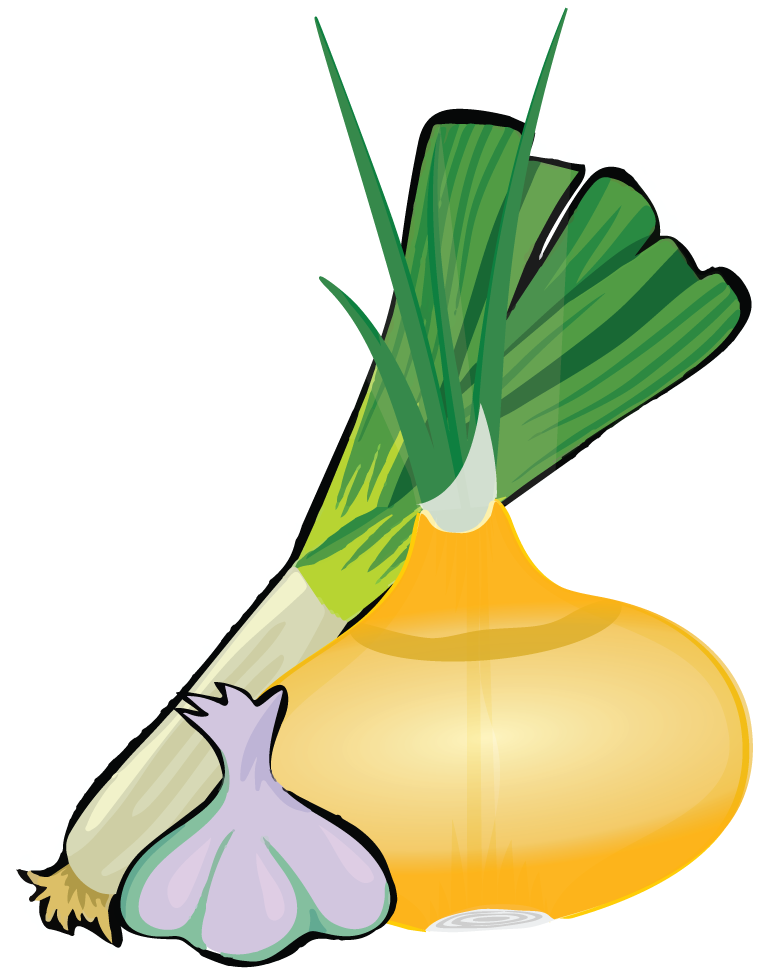
When onions and garlic are ingested regularly or in large amounts, it results in Heinz body formation and anemia. Cats and Japanese breeds of dogs (Akita, Shiba Inu, etc) are even more sensitive to the effects of these foods. Cats are most at risk and can develop Allium toxiciosis, which can lead to vomiting, diarrhea, abdominal pain, loss of appetite, depression and dehydration.
Avoid using onion or garlic powder chronically in pet food, and make sure your pet doesn’t ingest large amounts! Clinical signs of ingestion include onion/garlic smell on breath, lethargy, pale mucus membranes (due to anemia), tachypnea (elevated respiratory rate), tachycardia (elevated heart rate), vomiting, and a reduced appetite. Rarely, hypoglycemia (low blood sugar).
MACADAMIA NUTS
Macadamia nuts are toxic to dogs and can cause stomachaches or even pancreatitis. Keep these popular stocking stuffers far away from your pet!

Pet Poison Helpline is a 24/7 animal poison control service available for pet owners and veterinary professionals who require assistance with treating a potentially poisoned pet. Pet Poison Helpline has the ability to help every poisoned pet, with all types of poisonings. Normally $85 per incident, with AKC Reunite you can plan ahead and subscribe your pet to this life-saving service for only $15 for the lifetime of your pet.
Should your pet ingest something potentially poisonous, contact AKC Reunite at 800-252-7894 and we will verify your membership and connect you to a toxicology expert to help you and your pet FAST.
RELATED POSTS
The Danger of Creepy Crawly Critters
Brought to you by Pet Poison Helpline & AKC Reunite Enjoying the outdoors with your pet can be a fantastic bonding experience and a great way to keep them active. However, many pets are [...]

Halloween Toxins
Trick or Treat! As you prepare your home for the holiday’s festivities, remember to keep in mind the dangers your pet could face — some may even surprise you! Avoid these common seasonal dangers so your pet can have a Happy HOWL-O-WEEN!
Everyday Pantry of Poisons
Brought to you by Pet Poison Helpline & AKC Reunite Did you know some of the most toxic items to pets can be found inside your home? In fact, many of these household items [...]
